
By Dr. Pranab Gyawali — UK-Trained Consultant Gastroenterologist, Dubai
Do They Really Worsen Inflammation?
Video: Coffee, Bread, and the IBD “Switch”
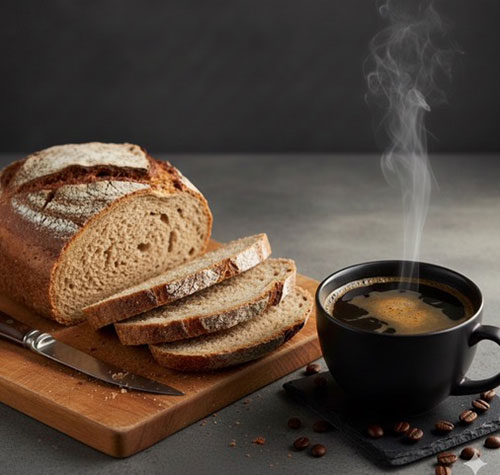
Why Patients Ask About Coffee and Bread So Often
This video became popular because it challenges one of the most common fears I see and hear in clinic.
Patients with ulcerative colitis or Crohn’s disease frequently ask:
- “Is coffee making my colitis worse?”
- “Do I need to stop bread forever?”
- “Did my diet cause my IBD flare?”
These are understandable concerns — but the science tells a more reassuring and nuanced story.
Key Clinical Message (In Simple Terms)
I’m a gastroenterologist in Dubai with over 25 years of experience managing IBD.
Inflammatory bowel disease is not caused by having a ‘bad diet’.
It is driven by an immune switch that has been flipped into a chronic inflammatory state.
That switch is usually triggered by factors such as:
- A viral or bacterial exposure
- Major stress or immune disruption
- Genetic susceptibility
Once the switch is ON:
- You can eat a “perfect” diet and still flare
- Food becomes a modifier, not the root cause
Can Coffee Worsen Ulcerative Colitis or Crohn’s Disease?
Short answer: not necessarily.
A recent landmark study published in Gut, one of the world’s leading gastroenterology journals, showed that:
- Black coffee was associated with lower CRP
- This suggests less systemic inflammation, not more
For many patients in remission, coffee does not drive inflammation and may coexist safely with treatment.
Is Bread Bad for IBD?
Again, the type of bread matters.
The same research showed:
- Whole-grain / whole-wheat bread was associated with lower fecal calprotectin
- Calprotectin is a key marker of intestinal inflammation in IBD
This directly challenges the idea that all bread is harmful in Crohn’s or ulcerative colitis.
Why Coffee and Whole Grains May Actually Help
Coffee and whole grains act as prebiotic fuels for beneficial gut bacteria, particularly:
- Roseburia
- Faecalibacterium prausnitzii
These bacteria:
- Produce short-chain fatty acids (SCFAs) such as butyrate
- Support gut-lining repair
- Send anti-inflammatory signals to the immune system
In practical terms:
- IBD medications switch inflammation OFF
- Diet helps keep that switch OFF
They work together, not in competition.
Important Distinction Patients Must Understand
We are not talking about:
- Sugary coffee drinks
- Flavoured syrups or sweetened lattes
- Ultra-processed white bread
We are talking about:
- Black coffee (or minimal milk if tolerated)
- Whole-grain or whole-wheat bread with intact fiber
What If You’re in an Active Flare?
This is where timing matters.
During a moderate or severe flare:
- A low-residue diet may be required temporarily
- Fiber tolerance may be reduced
- This does not mean coffee or bread caused the flare
Once inflammation settles:
- These foods can often be reintroduced carefully
- Individual tolerance should guide decisions
Common Patient Questions (SEO-Focused)
Does coffee cause ulcerative colitis?
No. Coffee does not cause ulcerative colitis. IBD is driven by immune dysregulation, not coffee intake.
Can I drink coffee with Crohn’s disease?
Many patients in remission tolerate black coffee well. Tolerance varies, especially during flares.
Is bread bad for ulcerative colitis?
Processed white bread may worsen symptoms for some, but whole-grain bread has been associated with lower inflammation markers.
Should I avoid fiber forever in IBD?
No. Fiber avoidance is often temporary during flares. In remission, fiber can support microbiome health.
Recommended Guides
- Is Bread Bad for Crohn’s Disease and Ulcerative Colitis?
- Ulcerative Colitis – Diagnosis, Triggers, and Modern Treatment (Dubai)
- Crohn’s Disease – Understanding Inflammation Beyond Diet
- Learn about Biologicals used in UC and Crohn’s in Dubai
- Gut Microbiome and Inflammatory Bowel Disease
- IBD Treatment Update 2026: What’s Changing for Crohn’s & Colitis Patients
Related IBD VLOGs
Treatment & Disease Control
Diet & Microbiome
- Should you avoid dairy in Crohn’s and ulcerative colitis?
- Diet & the Gut Microbiome in IBD
- Ultra-Processed Foods and Gut Inflammation
- Fast Food and the Gut Microbiome
- Plant-Based Diets in IBD
- Leaky Gut in Crohn’s and Ulcerative Colitis
Deficiencies Common in IBD
- Iron Deficiency in Crohn’s and Ulcerative Colitis
- Low Iron, Fatigue, and IBD
- Vitamin B12 and Folate Deficiency in IBD
Investigations & Procedures
Depending on symptoms and disease history, IBD assessment and monitoring may include:
- Colonoscopy (diagnosis, disease extent, mucosal healing assessment, cancer surveillance)
- Upper GI Endoscopy (Gastroscopy) (selected patients, upper GI symptoms, anemia work-up)
- Capsule Endoscopy (small bowel assessment where appropriate)
- CT Abdomen / CT Enterography (complications, small bowel involvement, acute assessment)
- MRI Abdomen / MR Enterography (small bowel Crohn’s, inflammatory activity, strictures/fistulae)
- Ultrasound Abdomen (selected symptoms; biliary/pancreatic assessment; supportive imaging)
- Fecal Calprotectin (non-invasive inflammation monitoring)
- Hydrogen & Methane breath tests (SIBO assessment and carbohydrate intolerance where relevant)
Final Clinical Perspective
Fear-driven dietary restriction is common in IBD — and often unnecessary.
Understanding what drives inflammation allows food to become an ally rather than an enemy.
If you wish to discuss this further or would like to make an appointment, please use the booking form on this page.