
By Dr Pranab Gyawali, Consultant Gastroenterologist
Published and medically reviewed:
Constipation assessment and treatment in Dubai
If constipation is persistent, keeps returning or is no longer improving with your usual treatment, the first step is to understand which type of constipation you have.
Some people have slow movement through the colon. Others can move stool through the bowel but have difficulty emptying it from the rectum. This can cause excessive straining, a blocked feeling, repeated visits to the toilet or the feeling that emptying is never complete. Some patients have more than one problem.
Dr Pranab Gyawali assesses and treats constipation in Dubai, from common short term problems to chronic constipation, IBS with constipation, slow bowel transit and pelvic floor or evacuation disorders. He has more than 25 years of experience managing these problems.
Assessment takes place in a JCI accredited facility in Dubai.
Quick answers
What happens at the first appointment?
Dr Pranab will ask about your bowel pattern, stool consistency, straining, incomplete emptying, abdominal symptoms and the treatments you have already tried. He will also review your medicines, diet, previous blood tests, scans and colonoscopy results where available, followed by a clinical examination.
Will I need tests?
Not everyone needs specialist testing. In many patients, treatment can begin after the first assessment. Tests are selected only when they will help explain the problem or change treatment.
Depending on your symptoms, this may include blood tests, a colonic transit study, anorectal manometry, pelvic floor assessment, MRI defecography or colonoscopy.
What should I bring?
Bring any recent blood results, scan or colonoscopy reports, a list of your medicines and supplements, and the names of laxatives or other constipation treatments you have already tried.
What happens after the assessment?
You will receive an explanation of the likely cause and an individual treatment plan. This may involve changes to bowel habits, food or medication. Pelvic floor treatment or further investigation is recommended only when appropriate.
 WhatsApp the Admin Team
Why does constipation happen?
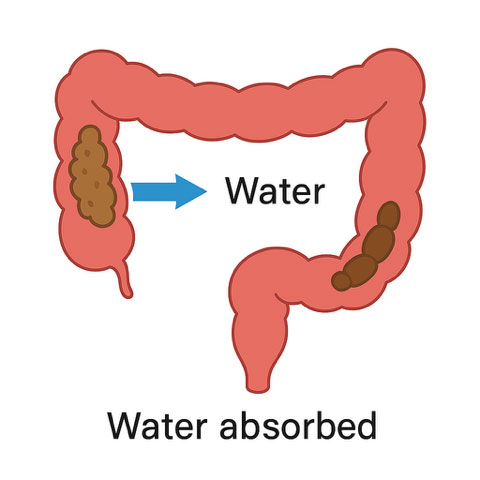
The colon absorbs water as stool moves through it. When movement is slow, more water is removed and the stool becomes harder and drier. This can lead to pellet like stool, straining, bloating and discomfort.
What causes constipation?
Food, fluid and routine
Low fibre intake, not replacing enough fluid, limited physical activity and repeatedly ignoring the urge to open the bowels can all contribute.
Medicines
Opioid painkillers, iron tablets, some antidepressants and some neurological medicines can slow the bowel or make stool harder to pass.
Medical and bowel conditions
Constipation may occur with IBS, an underactive thyroid, slow bowel transit, pelvic floor dysfunction or difficulty emptying the rectum. It can also occur when Crohn's disease or ulcerative colitis is otherwise well controlled.
When should constipation be medically assessed?
Arrange medical advice if constipation persists for several weeks, keeps returning or is no longer responding to treatment. Assessment is also important when there is:
- rectal bleeding or blood mixed with stool;
- unexplained weight loss or fatigue;
- a new or marked change in bowel habit;
- persistent abdominal pain or bloating;
- a change in stool shape or calibre;
- a strong family history of bowel disease, polyps or bowel cancer.
Seek urgent medical attention if constipation is accompanied by severe or worsening abdominal pain, vomiting, marked abdominal swelling or an inability to pass stool or wind.
How is constipation treated?
Start with the foundations
Fibre is increased gradually where appropriate. Regular fluid intake, movement, responding to the urge and allowing unhurried toilet time may also help.
Use medication when needed
Osmotic laxatives such as macrogol can soften stool by retaining water in the bowel. Other laxatives, suppositories or prescription medicines may be selected according to the constipation pattern and previous response.
Investigate difficult constipation
If treatment is not working, or emptying remains difficult, the next step is to identify whether the main problem involves slow transit, rectal sensation, pelvic floor coordination or a structural evacuation problem.
Do you still feel blocked or incompletely emptied?
Patients with an evacuation problem often describe:
“I still feel blocked even after going.”
“I strain a lot but very little comes out.”
“It feels as though the stool gets stuck.”
“I spend a long time on the toilet and still do not feel empty.”
These symptoms do not always mean that a stronger laxative is needed. They may indicate difficulty coordinating the pelvic floor muscles, altered rectal sensation or a structural problem affecting evacuation.
Which tests are used for difficult constipation?
Testing is selected according to the symptom pattern. Most patients do not need every investigation.
Colonic transit study
This assesses how quickly material moves through the colon and whether slow bowel transit is contributing.
Pelvic floor assessment
This is considered when excessive straining, blocked evacuation or incomplete emptying suggests that the muscles are not coordinating normally.
Anorectal manometry
This measures rectal sensation, anal sphincter pressure and muscle coordination during attempted evacuation.
MRI defecography
In selected patients, this shows what happens during emptying and can identify obstructed defecation, rectocele, prolapse or pelvic floor descent.
Treatment depends on the constipation pattern
Slow bowel movement and difficulty emptying are different problems. Some patients have both. Treatment may therefore involve:
- an appropriate laxative or prescription constipation medicine;
- pelvic floor physiotherapy or biofeedback for an evacuation disorder;
- changes to toilet positioning and bowel habit training;
- management of associated IBS, bloating or slow transit;
- multidisciplinary review for severe constipation or obstructed defecation when necessary.
Dr Pranab has access to advanced constipation and pelvic floor assessment in the JCI accredited facility where he practises in Dubai.
Other questions about constipation
Can I be constipated even if I open my bowels every day?
Yes. Constipation can involve hard stool, excessive straining, blocked evacuation or incomplete emptying even when a bowel movement occurs every day.
Do I need a colonoscopy for constipation?
Not everyone with constipation needs a colonoscopy. It may be considered when there is bleeding, unexplained weight loss, iron deficiency, a significant change in bowel habit, relevant family history, an age appropriate screening indication or another clinical concern.
What if laxatives are no longer working?
If laxatives no longer help, repeatedly increasing them may not address the problem. Assessment can identify whether the treatment needs changing or whether slow transit, an evacuation disorder or another cause should be investigated.
Can IBS cause constipation and bloating?
Yes. IBS with constipation commonly includes abdominal discomfort and bloating as well as changes in stool and bowel frequency. Other constipation patterns can cause similar symptoms, so the history helps distinguish them.
Related constipation services and information
Request a constipation assessment in Dubai
If constipation persists, treatment is no longer helping or emptying remains difficult, request an assessment using the form below or contact the Admin Team on WhatsApp.