
Assessment for constipation, straining and incomplete emptying
Anorectal manometry measures how the rectum and anal muscles work. It can help investigate a blocked feeling, excessive straining or difficulty emptying despite constipation treatment.
Dr Pranab Gyawali assesses these symptoms in Dubai and arranges anorectal testing when it is likely to help guide treatment. If you already have a recommendation for manometry, bring the referral and any previous results. If you are unsure which test you need, start with a consultation.
For the wider causes and treatment of constipation, see Constipation Treatment in Dubai.
Quick answers
Is this the test I need?
It may be useful when emptying remains difficult despite treatment. Your symptoms and previous investigations help determine whether manometry, another test or a change in treatment is the next step.
What happens at the first appointment?
Dr Pranab reviews your bowel pattern, straining, sensation of blockage, medicines and treatments already tried. Bring previous reports and a list of your medicines. An examination may help clarify the problem before testing is arranged.
Is it a colonoscopy?
No. It is a bedside test that usually takes about 15 minutes, with minimal discomfort. It measures pressures and sensation in the rectum and anal canal. Colonoscopy examines the bowel lining.
How do I arrange an assessment?
Use the form on this page, or contact the administrative team by phone or WhatsApp. Mention whether you are seeking an initial assessment or have already been advised to have anorectal manometry.
Watch: Still feel blocked despite constipation treatment?
In this short video, I explain why a blocked feeling can persist even when you are taking laxatives, and how testing may identify a problem with muscle coordination. The result can help us consider a different approach to treatment.
Why can emptying be difficult?
Passing stool requires the rectum to generate pressure while the muscles around the outlet relax. Sometimes these actions do not coordinate properly. The muscles may tighten when they should relax, or the pushing effort may be inadequate. This is sometimes called dyssynergic defecation.
Symptoms alone cannot confirm that diagnosis. A blocked feeling can also occur with hard stool, altered rectal sensation or a structural problem. More than one problem may be present.
If you would like to understand the condition in more detail, read the guide to pelvic floor dysfunction and incomplete emptying.
What happens during anorectal manometry?
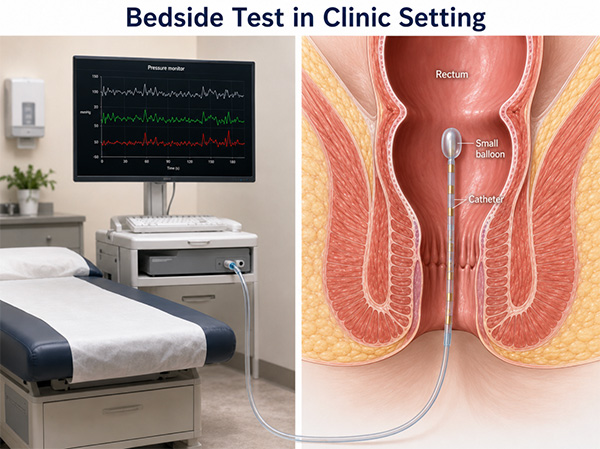
A small catheter is placed gently into the rectum. It records pressure while you rest, squeeze and push as though opening your bowels. A small balloon may be inflated to assess when you first feel it and how rectal sensation changes.
This bedside test usually takes about 15 minutes and involves minimal discomfort. It does not usually require sedation. Tell the person performing the test if you have discomfort or want to pause.
The NIDDK explanation of constipation testing provides further information about how manometry assesses rectal and anal function.
How should I prepare?
No specific preparation is usually required. Ideally, open your bowels before the test if you can.
Occasionally, help with emptying the rectum may be needed. If this is difficult, contact the clinical team for advice about any support required. Do not use a full colonoscopy bowel preparation for this test unless specifically instructed.
How can the result change treatment?
After the test, Dr Pranab Gyawali will explain the results to you and what they mean for your symptoms. He interprets the recordings alongside your examination and any other relevant investigations. An abnormal pressure pattern alone does not establish the whole diagnosis.
If the results support a muscle coordination problem, Dr Pranab will discuss whether specialist pelvic floor physiotherapy with biofeedback is the right approach for you. This involves exercises tailored to bowel emptying, with practice in coordinating the pushing effort and relaxing the pelvic floor. Biofeedback uses information about muscle activity to help guide that practice. The emphasis is on coordination and relaxation where needed, rather than simply strengthening the muscles.
NIDDK describes biofeedback as a treatment for bowel muscle problems. Dr Pranab will help you understand how this relates to your results and agree the next steps with you.
Medication may still be needed to keep stool manageable. Where slow transit or a structural problem also contributes, the plan should address that too. The purpose of testing is to make the next treatment decision more specific.
Which investigation answers which question?
| Investigation | Main question |
|---|---|
| Anorectal manometry | How do the rectum and anal muscles function during emptying? |
| Colonic transit study | Is movement through the colon unusually slow? |
| MRI defecography | Is a structural problem affecting evacuation? |
You do not automatically need all these tests. Each should answer a question that matters to your treatment.
Other questions about the test
Can a normal colonoscopy rule out an emptying problem?
No. A normal bowel lining does not show how the muscles coordinate during evacuation. Further assessment may be appropriate if symptoms persist.
Can the test be normal even when I have symptoms?
Yes. A normal result does not make your symptoms unimportant. It helps determine what should be considered next.
Does manometry treat constipation?
Manometry is a diagnostic test. It may help guide treatment, but the test itself does not correct the problem.
Can I ask about cost and insurance before booking?
Yes. Contact the administrative team for current charges and to check the referral or insurer authorisation requirements for your appointment. Insurance coverage depends on your policy and the proposed assessment.
Arrange an anorectal assessment in Dubai
If emptying remains difficult, or you have been advised to have anorectal manometry, please use the form below or contact the administrative team by phone or WhatsApp. They will help you arrange an assessment.
This page provides general information. The appropriate investigation depends on your individual assessment.