
By Dr Pranab Gyawali, Consultant Gastroenterologist
Introduction: Why I Made This VLOG
Over the past few weeks, I’ve had many patients and online followers ask about Slippery Elm — a herbal supplement often mentioned in IBD support groups. Some have even messaged me after seeing social-media claims that it “heals inflammation naturally.”
I decided to make this short VLOG — not because I recommend it, but because patients deserve an honest, evidence-based explanation from someone who manages Crohn’s and ulcerative colitis every day.
I’m Dr Pranab Gyawali, a consultant gastroenterologist in Dubai, and I’ve been treating IBD patients for over 25 years. While I don’t routinely recommend Slippery Elm, I do support my patients in making safe, informed choices — especially when supplements could interact with prescribed IBD treatments.

Q&A: Slippery Elm for Crohn’s and Ulcerative Colitis
Q1. What exactly is Slippery Elm?
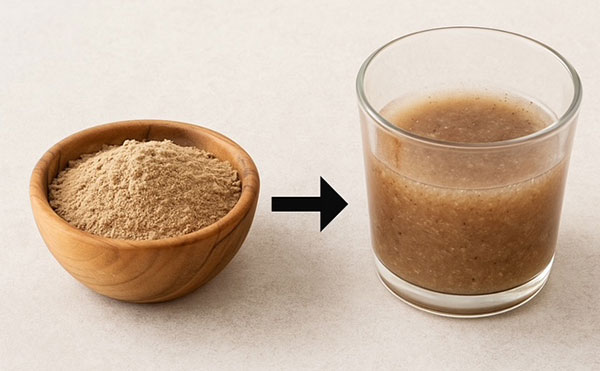
Slippery Elm comes from the inner bark of the North American Ulmus rubra tree. When mixed with water, it forms a soothing gel — called mucilage — that can coat and protect irritated surfaces. It has long been used in Native American medicine for sore throats, stomach irritation, and wounds.
Q2. Is there any scientific evidence that it helps with IBD?
There is some interesting lab research, but no proven clinical benefit. In one study, inflamed colon tissue from ulcerative-colitis patients exposed to Slippery Elm extract produced fewer oxygen free radicals — suggesting a mild antioxidant effect. However, this was an in vitro study, not a patient trial. No randomised controlled human trials have shown that Slippery Elm induces or maintains remission in Crohn’s or ulcerative colitis.
Q3. What do medical guidelines say about Slippery Elm?
Neither ECCO (European Crohn’s and Colitis Organisation) nor the British Society of Gastroenterology list Slippery Elm as a treatment. It should never replace proven therapies such as biologics, immunomodulators, or 5-ASA medications.
Q4. Why do people still talk about it online?
Because Slippery Elm forms a soothing, protective gel, some people feel short-term relief from reflux or mild gut irritation. For those with upper-gut or IBS-type symptoms, that coating may offer temporary comfort — but it doesn’t treat bowel inflammation.
Q5. Is it safe to take with IBD medication?
Generally yes, but with two key cautions:
- Take it two hours apart from other oral medications — it can reduce drug absorption.
- Avoid it if you’re pregnant or have bowel strictures, as its bulking effect could worsen blockage risk.
Choose only third-party-tested brands from reputable sources.
Q6. What’s your professional view?
I don’t routinely recommend Slippery Elm — the evidence isn’t strong enough — but if a patient wants to try it as a supportive measure, I guide them on safe use and proper timing with prescribed therapy. The key is ensuring it complements, not replaces, medical treatment.
Q7. What’s the bottom line for IBD patients in Dubai?
For Crohn’s or ulcerative colitis, Slippery Elm is not a treatment. It can soothe, but it can’t heal inflammation. The best results come from medically supervised care, balanced nutrition, and regular specialist follow-up. Patients in Dubai considering supplements should always consult their gastroenterologist first.
I’m Dr Pranab Gyawali, consultant gastroenterologist in Dubai. My aim with this VLOG is to help patients separate real evidence from online noise — and make safer, smarter choices for their gut health.
Recommended Guides:
FMT, Probiotics and Next-Generation Microbiome Therapies
- AI in Crohn’s and Ulcerative Colitis: Can Machine Learning Predict IBD Treatment Response?
- FMT and infliximab in IBD: could the microbiome help biologics work better?
- Fecal microbiota transplant for Crohn’s disease and ulcerative colitis
- Probiotics for Crohn’s and ulcerative colitis: what actually works?
- Probiotics in ulcerative colitis: what does the MB310 trial mean?
- Engineered probiotic for ulcerative colitis 2026
- Probiotics for ulcerative colitis: what actually works?
Gut Microbiome, Diet and Treatment Response
- Diet and microbiome in IBD: how the right bacteria calm gut inflammation
- Gut microbiome in Crohn’s disease and ulcerative colitis
- How the Oxygen Trap may be driving your IBD, and why diet still matters
- IBD flare risk, diet and calprotectin
- IBD breakthrough: how gut bacteria unlock natural anti-inflammatories
- Gut microbiome test in Dubai
Crohn’s, Colitis and Biologic Treatment Strategy
- Learn about Biologicals used in UC and Crohn’s in Dubai
- Crohn’s disease specialist care in Dubai
- Ulcerative colitis specialist care in Dubai
- How biologics work in Crohn’s and colitis
- How we choose the right biologic for Crohn’s and UC in Dubai
- New omics research: predicting response to biologics in Crohn’s and ulcerative colitis
Investigations and Procedures
- Colonoscopy for Crohn’s and ulcerative colitis monitoring
- Capsule endoscopy for small bowel Crohn’s disease
- MRI abdomen and MR enterography
- CT abdomen and CT enterography
- Hydrogen and methane breath test for SIBO
If you wish to discuss this further or would like to make an appointment, please use the booking form on this page.